
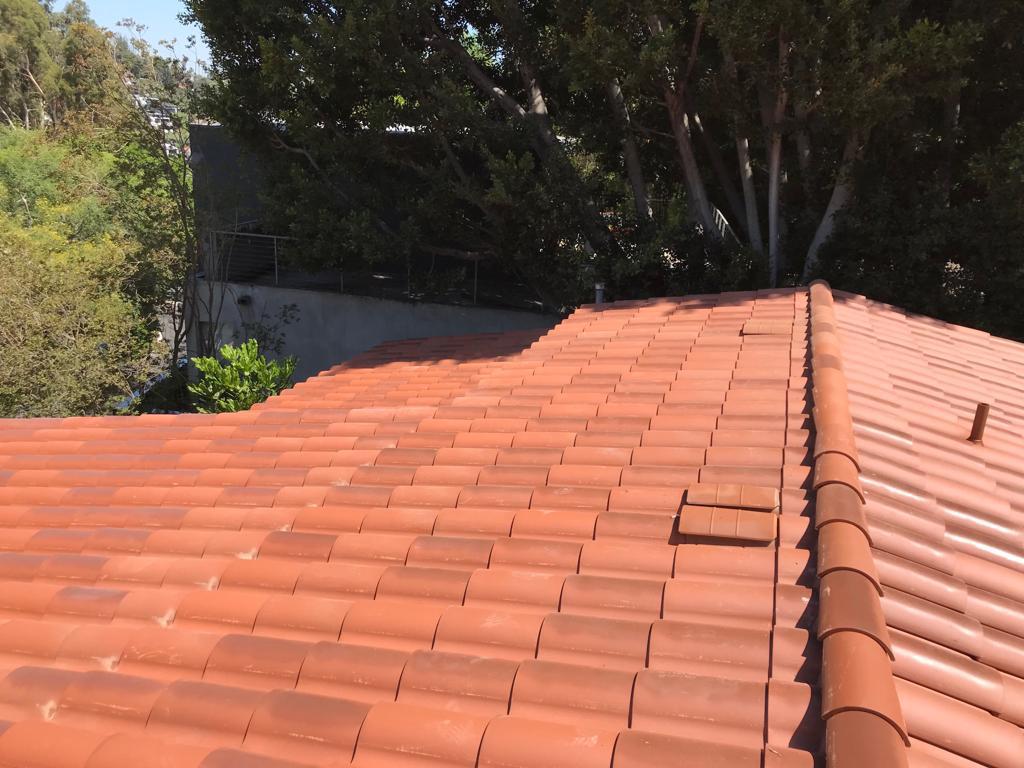
When it comes to roofing solutions for homes near the coast, one material consistently stands out for its unmatched durability and timeless beauty—tile roofing. Whether you’re looking at clay or concrete options, tile roofs are widely considered one of the best roofing materials for coastal climates due to their resistance to salt air, high humidity, and extreme weather patterns. For homeowners along the Los Angeles coastline, from Malibu and Pacific Palisades through Santa Monica and Marina del Rey, understanding why tile roofing is such an ideal investment is essential.
In this blog post, we’ll explore how tile roofing supports coastal home durability, what makes it so effective, and how you can get the most out of your roof near the ocean.
Why Coastal Homes Need Specialized Roofing Materials
The demands placed on a roof in a coastal environment are significantly more intense than those found inland. Roofing for oceanfront homes must stand up to high wind speeds, salt air corrosion, increased moisture levels, and prolonged UV exposure.
Traditional roofing materials like asphalt shingles or wood shakes can deteriorate quickly in these conditions. Salt particles carried by sea breeze can corrode metal components, while constant moisture promotes mold, algae, and premature aging. That’s why choosing the best roofing for coastal climates is not just about looks—it’s about long-term protection, low maintenance, and value.
What Makes Tile Roofing Ideal for Coastal Homes?
Tile roofing for coastal homes excels because it combines strength, longevity, and a natural resistance to the harsh elements found in seaside environments. Let’s explore what makes tile roofing the preferred choice:
1. Salt Air Resistance
One of the key threats to coastal structures is the corrosive effect of salt-laden air. Metals rust, wood rots, and many composite materials break down faster near the ocean. Tile roofing, whether made from clay or concrete, is naturally salt air resistant. These tiles do not corrode or degrade from salt exposure, making them a perfect roofing option for oceanfront properties.
2. Exceptional Weather Durability
Coastal climates are often unpredictable, with sudden rainstorms, high humidity, and strong winds. Weather-resistant tile roofing is designed to withstand these forces. In fact, many tile roofing systems are rated for high-wind conditions, which matters across Los Angeles County, where Santa Ana winds funnel through the canyons at speed.
Concrete and clay tiles are heavy, which helps them resist wind uplift better than lighter materials. When properly installed, wind-rated tile roofing can protect your home against wind speeds of over 150 mph.
Tile Roof Lifespan Near the Ocean: A Long-Term Investment
A major selling point of tile roofs is their lifespan. While asphalt shingles typically last 20-30 years in ideal conditions (even less near the coast), tile roofs can last 50 years or more, even in harsh climates. Tile roof durability near the ocean is unmatched, especially with routine care and professional installation.
Additionally, many tile manufacturers offer warranties that span decades, adding peace of mind and long-term value for homeowners.
Clay vs. Concrete: Which Tile is Best for Your Coastal Home?
When selecting tile roofing, coastal homeowners often choose between clay tiles and concrete tiles. Each offers unique benefits:
Clay Tile Roofing for Coastal Durability
Clay tiles have been used for centuries in coastal regions around the world. They are kiln-fired and naturally resistant to salt, moisture, and UV radiation. Clay tiles also retain their color for decades and require minimal maintenance.
However, they can be more expensive and slightly more fragile compared to concrete tiles.
Concrete Tile Roofing for Strength and Cost-Effectiveness
Concrete tile roofing is denser and more impact-resistant, making it a popular choice for coastal climates prone to storms or debris. They are also more affordable than clay while offering similar protective qualities. Thanks to modern manufacturing, concrete tiles can mimic the appearance of clay or slate, giving homeowners a wide variety of styles without compromising on durability.
For both materials, proper installation is critical—especially in regions facing high wind or salt air exposure.
Tile Roof Maintenance in Coastal Areas: What You Need to Know
While tile roofs are famously low-maintenance, coastal environments do require some extra attention. Here are the key components of tile roof maintenance in coastal areas:
- Regular Inspections: Have a professional inspect the roof annually or after any major storm to identify cracked or displaced tiles.
- Clean Debris and Algae: Salt and moisture can lead to algae or moss growth, especially in shaded areas. Periodic cleaning helps maintain roof integrity and appearance.
- Sealant Application: In some cases, applying a breathable sealant can protect tiles and underlayment from excessive moisture and staining.
By staying proactive, homeowners can maximize their tile roof lifespan near the ocean and avoid costly repairs down the road.
Energy Efficiency and Tile Roofing in Coastal Homes
Living near the coast means you’re also exposed to intense sunlight for much of the year. Tile roofing, particularly clay, has natural insulating properties that help reflect solar heat and keep homes cooler.
Many tiles are rated as “cool roofing materials”, meaning they meet or exceed energy standards set by ENERGY STAR. This not only reduces the burden on your HVAC system but can also lead to significant energy savings—especially through the long, dry Southern California summer.
Enhancing Curb Appeal with Tile Roofing in Coastal Regions
Tile roofs bring undeniable aesthetic value. Available in a wide range of colors, textures, and profiles, they complement the architectural styles common in coastal communities—like Mediterranean, Spanish Revival, and Mission.
Whether you’re building a new home or upgrading an older one, tile roofing enhances curb appeal, resale value, and homeowner pride. Its timeless look and enduring performance make it one of the best long-term investments for coastal properties.
Sustainability and Environmental Benefits
In today’s world, eco-conscious choices matter more than ever. Tile roofing is not only durable but also sustainable. Both clay and concrete tiles are made from natural materials and are recyclable at the end of their lifespan.
They also reduce urban heat island effects and can contribute to LEED certification in green building projects. When combined with solar panels or water collection systems, tile roofs support a more sustainable coastal lifestyle
Conclusion: Tile Roofing—The Smart Choice for Coastal Durability
When it comes to coastal roofing materials, tile roofing stands in a league of its own. From resisting salt air corrosion and Santa Ana winds to enhancing energy efficiency and curb appeal, it offers everything a coastal homeowner could want in a roofing system.
Its unmatched durability, long lifespan, and minimal maintenance make it a wise investment for any oceanfront or seaside property. Whether you choose clay tile roofing for its timeless beauty or concrete tile roofing for its rugged strength, both options provide top-tier protection against the unique challenges of coastal living.
Ready to Upgrade Your Coastal Roof?
At Eclipse Remodeling & Roofing Inc., we specialize in tile roof installations tailored to coastal environments. Our expert team understands the intricacies of salt air, storm resilience, and long-term value. Whether you need a new roof, maintenance, or a full replacement, we’re here to provide exceptional craftsmanship with trusted materials.
Contact Eclipse Remodeling & Roofing Inc. today to schedule your free coastal roofing consultation and discover how tile roofing can transform and protect your home for decades to come.