
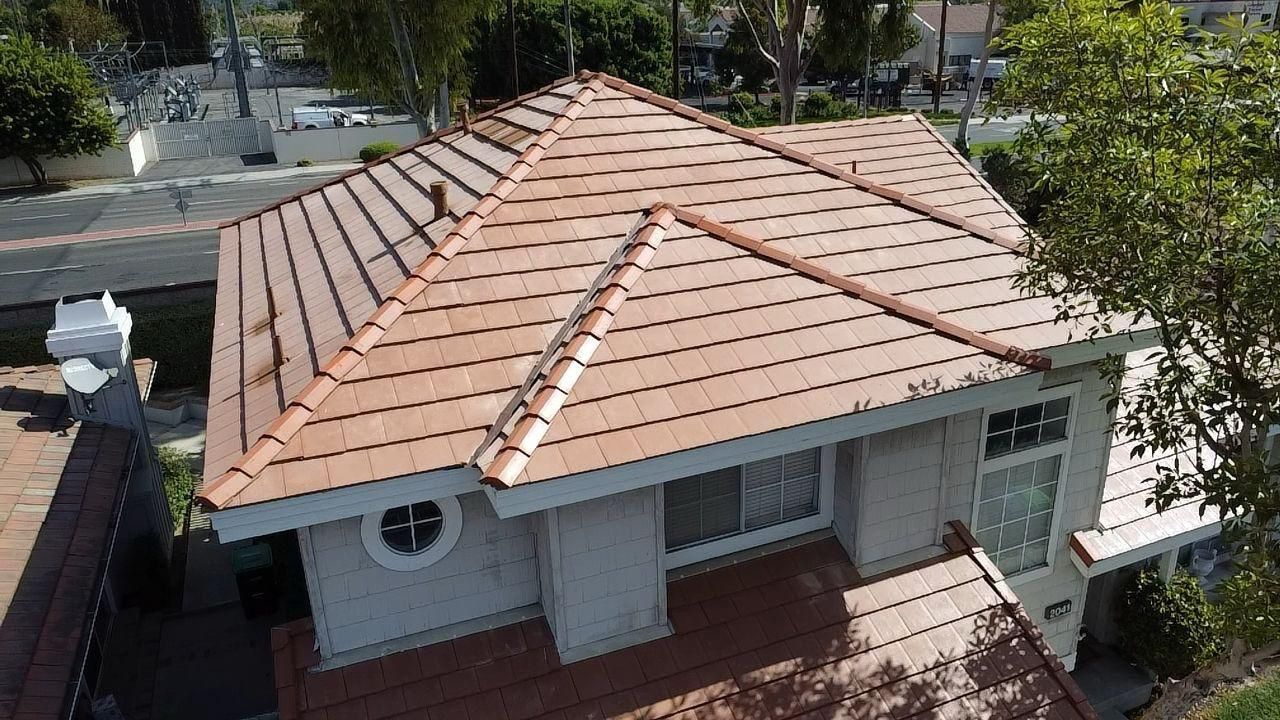
Tile roofs are extremely popular in Southern California because of their durability, energy efficiency, and beautiful, timeless design. Whether you have clay or concrete tiles, proper tile roof maintenance is essential to keep your home protected from heat, sun exposure, coastal moisture, and seasonal weather shifts. Many homeowners assume tile roofs require little to no attention, but regular tile roof upkeep is the key to preventing leaks, extending the roof’s lifespan, and preserving its structural integrity.
This comprehensive tile roof care guide covers everything you need to know—from tile roofing maintenance tips and cleaning techniques to inspection strategies, repair signs, and California-specific roof concerns. By the end, you’ll understand exactly how to maintain a tile roof and when to involve a professional tile roofing contractor in California.
Understanding the Unique Nature of Southern California Tile Roofing
Southern California offers the perfect environment for tile roofing, but that same climate can also cause wear if your roof is not properly maintained. Constant sun exposure, Santa Ana winds, occasional heavy rains, and coastal salt air all affect clay and concrete tiles differently. Clay tile roof maintenance typically focuses on preventing cracking and surface erosion, while concrete tile roof maintenance is more about managing surface coating breakdown, algae formation, and moisture absorption.
When you understand how your roof responds to the environment, you can better prevent tile roof weather damage and identify tile roof damage signs before they turn into costly roof repairs.
Why Regular Tile Roof Maintenance Matters More in Southern California
While tile roofs can last 50–100 years, certain components beneath the tiles—like underlayment—don’t last as long. This is why tile roof maintenance is crucial. Proper upkeep helps:
- Prevent leaks from worn underlayment
- Extend the tile roof lifespan
- Reduce heat absorption
- Prevent tile cracking from thermal expansion
- Limit moss, algae, and debris buildup
- Protect the structural integrity of the roof deck
Even the strongest tile roofing systems need consistent attention to ensure long-term performance in Southern California’s diverse climate zones—from inland heat to coastal moisture.
Key Tile Roof Inspection Steps Every Homeowner Should Follow
A professional tile roof inspection should be done once a year, but homeowners can perform visual checks throughout the year. Spotting early issues helps prevent expensive repairs later.
Start by scanning for broken, slipped, or misaligned tiles. Any displaced tile can expose the underlayment to UV damage and moisture, which shortens its lifespan dramatically. Sudden storms and Santa Ana winds can also loosen ridge caps, hip tiles, and flashing areas, making them more prone to leaks.
If you notice debris buildup, clogged valleys, or vegetation growing between tiles, these are early tile roofing problems that should be addressed immediately. They may seem minor, but they can lead to trapped moisture and mold growth beneath the tile system.
Clay Tile Roof Maintenance: What Makes It Different?
Clay tiles are stylish, durable, and resistant to fire, rot, and insects, making them ideal for Southern California homes. However, they are also more fragile than concrete tiles. Clay tiles tend to crack or chip from impact—especially if walked on incorrectly.
Clay tile roof maintenance includes checking for surface erosion, monitoring for cracks caused by expanded heat exposure, and ensuring that moss or algae are not developing on shaded sections of the roof. When cleaning clay tiles, avoid pressure washing unless handled by a professional, as high pressure can strip the finish or cause breakage.
Clay tiles also expand and contract with temperature changes. If gaps appear between tiles, water infiltration may occur. Proper sealing and realignment should be done by a professional roofer to preserve the roof’s integrity.
Concrete Tile Roof Maintenance: Durability With Unique Needs
Concrete tiles are extremely strong and slightly heavier than clay tiles. They resist impact well, making them great for homes exposed to high winds. However, concrete tile roof maintenance involves preventing surface fading, water absorption, and algae growth.
The porous nature of concrete means it can absorb moisture over time, making regular sealing a smart long-term investment. Concrete tiles may also experience surface coating deterioration, especially in sun-intense areas like Inland Empire or San Fernando Valley. If the coating begins to wear, the tiles may appear chalky or discolored.
Cleaning concrete roof tiles requires gentle washing to remove dirt and moss but should be done carefully to avoid damaging the underlayment or dislocating tiles.
Tile Roof Cleaning Tips: Safe and Effective Methods
Keeping your roof clean helps preserve its beauty and functionality. Dirt, leaves, and biological growth can accumulate between tiles, which may trap moisture and cause tile roof leak prevention issues.
The safest method for tile roof cleaning includes using a low-pressure rinse combined with soft brushing techniques. Harsh pressure washing is discouraged because it can loosen tiles or damage the water-resistant layers beneath.
For homeowners wondering how to clean clay tiles or how to clean concrete roof tiles, the rule is the same: gentle cleaning only. Avoid using strong chemicals unless recommended by professionals. Some cleaning agents can damage both the tile surface and the surrounding landscaping when rinsed off.
If moss or algae is present, a specialized tile roof moss removal solution applied by a roofing contractor is the safest approach. Moss is more than a cosmetic issue—it traps moisture that accelerates underlayment deterioration.
Tile Roof Repair Tips Every Homeowner Should Know
Tile roof repair is often more delicate than other roofing types because a single damaged tile can compromise adjacent tiles or expose underlayment. Homeowners often overlook small cracks or chips, but these should be repaired or replaced as soon as possible.
If you see tile roof damage signs such as water stains on ceilings, musty odors in the attic, or sagging roof sections, these indicate deeper structural issues. Tile roof leak prevention requires addressing underlayment deterioration early, especially since UV-damaged underlayment is one of the most common causes of roof failure in California tile homes.
Never walk directly on tiles unless trained to do so. Most tile roofing problems come from improper foot traffic, which leads to cracked tiles and hidden leaks.
Tile Roof Replacement Signs You Should Not Ignore
Even though tiles themselves last decades, many Southern California homeowners need tile roof replacement sooner than expected due to underlayment failure. Common tile roof replacement signs include:
- Frequent leaks even after repairs
- Visible deterioration or brittleness of underlayment
- Widespread tile shifting or sliding
- Excessive moss or algae that continually reappears
- Cracked or broken tiles in multiple sections
- Interior water damage along walls or attic
If your roof is over 20–25 years old and hasn’t been professionally maintained, a complete tile roof restoration or replacement may be necessary to prevent structural damage.
Tile Roof Preservation Strategies to Maximize Lifespan
Preserving your tile roof involves routine inspections, proper cleaning, and timely repairs. To enhance durability, homeowners should trim overhanging branches to reduce debris buildup, keep gutters clear, and watch for signs of moisture infiltration after seasonal rains.
Coastal homes need additional care due to salt air corrosion, while inland homes require extra attention to sun exposure and thermal expansion. Tile roof preservation also includes resealing concrete tiles and applying protective coatings recommended by roofing professionals.
Annual tile roof professional maintenance is highly recommended because experts know how to navigate tile roofs safely, repair tiles without causing additional damage, and evaluate the condition of the underlayment more thoroughly than a homeowner can.
Why Hiring a Tile Roofing Contractor in California Matters
Tile roofing is not a DIY-friendly system. The weight, fragility, and layered installation require a certified tile roofing contractor with extensive experience working with clay and concrete tiles. In Los Angeles tile roofing maintenance is especially important because the region’s microclimates—from beach cities to hillside communities—introduce unique structural concerns.
A qualified contractor ensures proper handling of tile repairs, underlayment inspections, flashing adjustments, and weather-related preservation methods. This guarantees your roof remains safe, beautiful, and efficient for decades.
Conclusion
Tile roofs are one of the most durable and visually appealing roofing options for Southern California homes, but they require proper care to protect your home from sun, moisture, wind, and aging materials. By understanding how to maintain tile roofs—through inspections, cleaning, addressing damage early, and working with a professional—you can extend your roof’s lifespan and prevent costly issues down the line.
If you want dependable, experienced, and detail-oriented tile roofing maintenance or repair services, trust the experts at Eclipse Remodeling & Roofing, Inc. to keep your roof in top condition.