Deciding whether to replace a shingle roof with a metal roofing system is a major investment decision for any homeowner. Roofs are not just about appearance—they protect your entire home structure, impact energy efficiency, and influence long-term maintenance costs. If your current asphalt shingles are aging or showing signs of failure, switching to metal roofing may be one of the smartest upgrades you can make.
This guide will help you understand when it makes sense to upgrade, what the costs look like, and how metal roofing compares to traditional shingles in real-world performance.
Understanding When It’s Time for a Roof Upgrade
One of the first questions homeowners ask is whether it is truly time to replace their shingle roof with metal roofing. Asphalt shingles typically last between 15 to 30 years depending on weather exposure, installation quality, and maintenance. However, in hot climates or areas with frequent storms, their lifespan can be significantly shorter.
There are clear warning signs that indicate you may need a roof replacement. These include curling or missing shingles, frequent leaks, visible sagging, and granules collecting in gutters. If your roof is approaching the end of its lifespan and repairs are becoming more frequent, it may be more cost-effective to consider upgrading to metal roofing instead of continuing with patchwork repairs.
Metal Roof vs Shingles: Key Differences That Matter
When comparing metal roof vs shingles pros and cons, the differences become very clear once you look beyond the initial price.
Asphalt shingles are widely used because they are affordable upfront and easy to install. However, they are more vulnerable to heat damage, wind uplift, and long-term wear.
Metal roofing, on the other hand, offers superior durability, fire resistance, and weather protection. It can last 40 to 70 years or more depending on the material and installation quality. While the initial investment is higher, the long-term performance often outweighs the upfront cost.
Another important difference is maintenance. Shingle roofs often require periodic repairs, while metal roofing systems are designed to be low-maintenance and long-lasting.
Benefits of Switching from Shingles to Metal Roof
Switching from shingles to metal roof systems offers several long-term advantages that homeowners increasingly prioritize.
One of the biggest benefits is durability. Metal roofs can withstand strong winds, heavy rain, and even hail better than traditional shingles. This makes them ideal for regions with unpredictable weather conditions.
Another major advantage is energy efficiency. Metal roofing reflects solar heat instead of absorbing it, which helps reduce indoor cooling costs during hot months. Over time, this can lead to significant energy savings.
Additionally, metal roofs offer modern curb appeal. With various styles available, including panels that mimic traditional shingles or tiles, homeowners can achieve both durability and aesthetic appeal.
Signs You Need Roof Replacement and Not Just Repairs
Knowing the signs you need roof replacement metal roofing can save you money and prevent structural damage.
If your roof has widespread shingle damage, recurring leaks in multiple areas, or visible water stains inside your home, repairs may no longer be sufficient. Another indicator is age—if your roof is nearing or past its expected lifespan, replacement becomes more practical than continuous maintenance.
In many cases, homeowners realize that upgrading directly to metal roofing eliminates future repair cycles entirely.
Roof Replacement with Metal Roofing Cost Considerations
One of the most common concerns is roof replacement with metal roofing cost. While metal roofing is more expensive upfront than asphalt shingles, it should be viewed as a long-term investment.
The cost depends on several factors including roof size, material type, labor rates, and complexity of installation. Standing seam metal systems tend to be more expensive but offer superior performance and durability.
Although the initial cost is higher, homeowners often save money over time due to reduced maintenance, fewer repairs, and improved energy efficiency.
Upgrading Shingle Roof to Metal Roof: What to Expect
Upgrading shingle roof to metal roof is a process that requires professional assessment and installation. In most cases, the existing shingles can either be removed or in some cases left in place depending on structural conditions and local building codes.
The installation process involves preparing the roof deck, adding underlayment for protection, and then installing metal panels or standing seam systems. Proper installation is critical to ensure maximum performance and lifespan.
Choosing experienced professionals ensures that the transition from shingles to metal roofing is smooth and structurally sound.
Residential Metal Roof Installation Cost and Long-Term Value
Residential metal roof installation cost varies, but homeowners should focus on long-term value rather than just upfront pricing. While asphalt shingles may seem cheaper initially, they often require replacement multiple times over the life of a single metal roof.
Metal roofing also increases property value in many cases due to its durability, energy efficiency, and modern appearance. This makes it not only a protective upgrade but also a financial improvement for your home.
Best Metal Roofing Options for Home Replacement
When considering the best metal roofing for home replacement, homeowners typically choose between steel, aluminum, and standing seam systems.
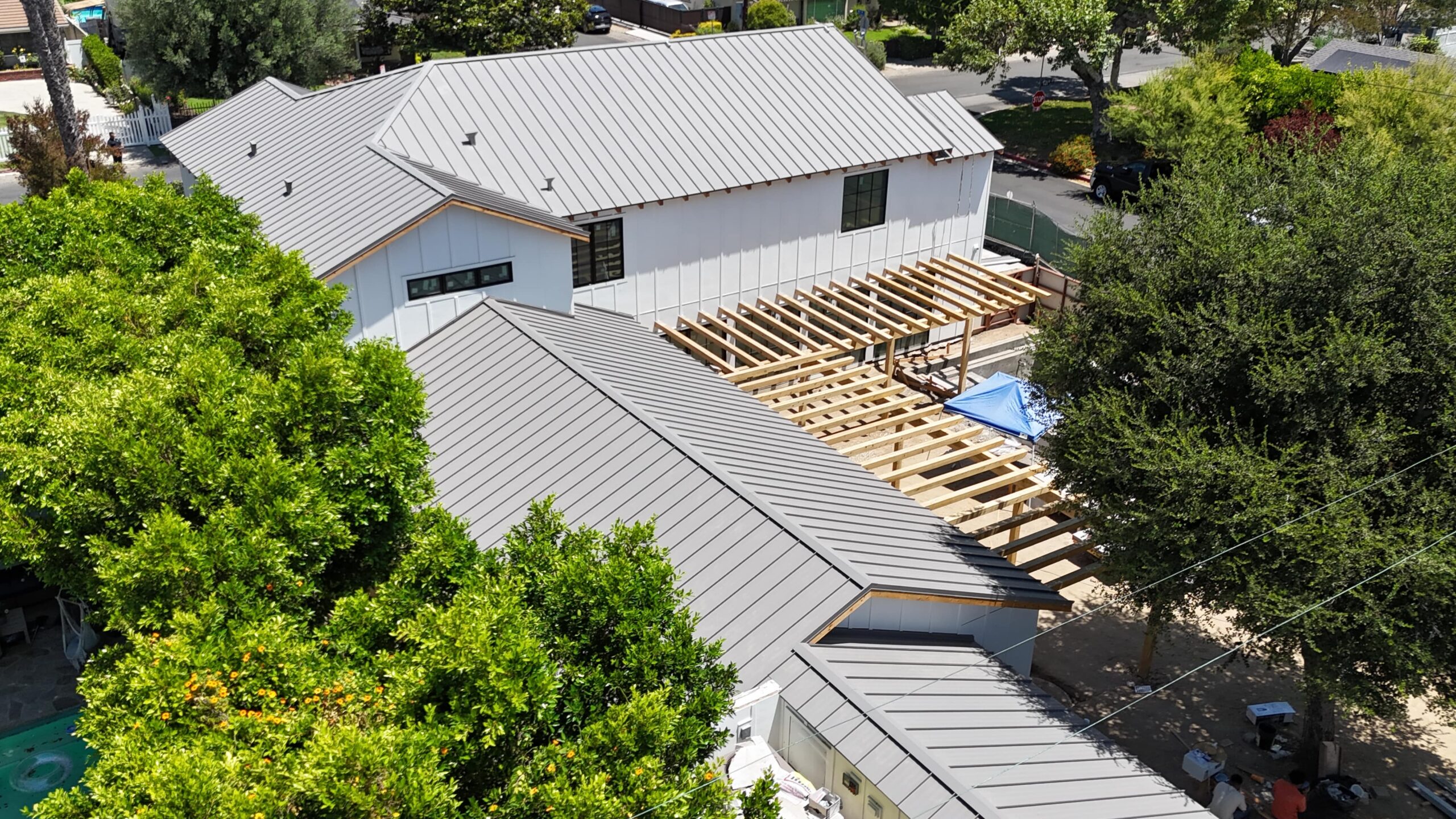
Standing seam metal roofing is one of the most popular choices due to its sleek appearance and hidden fastener system, which reduces the risk of leaks. Other metal roofing systems offer cost-effective alternatives while still providing strong durability and protection.
The right choice depends on your budget, design preference, and long-term goals.
Energy Efficiency Savings with Metal Roofing
Metal roofing energy efficiency savings are one of the most overlooked advantages of upgrading. Because metal reflects solar heat, it reduces the workload on your air conditioning system, especially during hot summer months.
Over time, this can significantly reduce monthly utility bills. Many homeowners notice improved indoor comfort as well, as metal roofs help maintain more stable indoor temperatures.
Metal Roof Installation Contractor Near Me: Why Experience Matters
Finding a reliable metal roof installation contractor near me is essential for ensuring proper installation and long-term performance. Metal roofing requires precision, specialized tools, and experience that not all roofing contractors possess.
A qualified contractor ensures proper sealing, alignment, and structural support, all of which are critical to maximizing the lifespan of your roof.
Replacing Shingle Roof with Standing Seam Metal Roofing
One of the most durable options available is replacing shingle roof with standing seam metal roofing. This system features vertical panels with concealed fasteners, offering superior weather resistance and a clean modern look.
Standing seam systems are especially beneficial in areas prone to heavy rain or strong winds, making them a premium choice for long-term protection.
Conclusion and Final Recommendation
If your asphalt shingles are showing signs of aging, repeated damage, or declining performance, upgrading to metal roofing is a smart long-term decision. While the initial investment is higher, the durability, energy efficiency, and low maintenance requirements make it one of the most cost-effective roofing solutions available today.
From improved home value to reduced energy bills and longer lifespan, metal roofing offers benefits that go far beyond traditional shingles.
For homeowners considering this upgrade, working with an experienced roofing contractor ensures proper installation and maximum return on investment.
Contact Eclipse Remodeling & Roofing Inc. for professional metal roofing installation, expert guidance, and a detailed roof evaluation tailored to your home.