When it comes to protecting your home from the Southern California climate, the roof does more work than any other part of the building. Long dry summers, relentless ultraviolet exposure, Santa Ana winds and, across much of Los Angeles County, genuine wildfire risk all put pressure on a roof year after year. Homeowners here need a solution that lasts, keeps the house cooler, and holds up when conditions turn. That is where tile roofing earns its reputation as one of the smartest investments a Los Angeles homeowner can make.
Tile Roof Benefits: More Than Just Curb Appeal
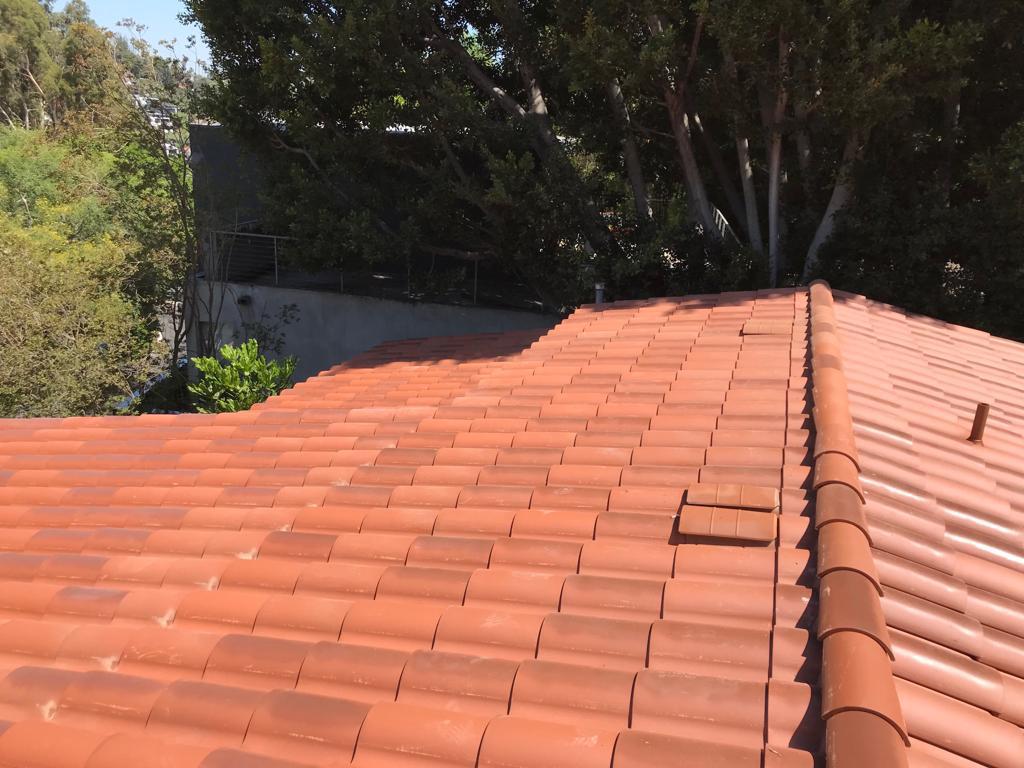
One of the biggest draws of tile is how it looks. Clay and concrete tile suit the Spanish Revival, Mediterranean and Mission architecture found right across Los Angeles, from the older neighborhoods of Pasadena to the hillside homes above Malibu. But the benefits go well beyond appearance.
Tile offers real strength against the elements. Unlike materials that break down quickly under sustained sun, tile holds up to Southern California heat without degrading. It is non combustible, it does not absorb water, and it is not damaged by the ultraviolet exposure that steadily destroys asphalt. Many homeowners find the investment lifts both curb appeal and property value.
Tile Roof Lifespan: Built to Last for Generations
Longevity is where tile separates itself. A tile roof can be expected to last 50 years or more when properly installed and maintained, against roughly 15 to 20 years for asphalt shingle in this climate.
That difference turns a purchase into a long term investment. Plenty of Los Angeles homes still carry their original tile after half a century. The upfront cost is higher, but the return becomes clear when you consider that a shingle roof may need replacing two or three times across the service life of a single tile roof.
Energy Efficiency: Cooling Your Home Naturally
One of the advantages Los Angeles homeowners appreciate most is how tile handles heat. Cooling costs climb through a long Southern California summer, and tile reduces them in a way flat installed materials cannot.
The reason is structural. Tile is set on battens with an air gap beneath it, and that gap lets heat vent out rather than transfer down into the attic. Lighter colored tiles add to the effect by reflecting solar radiation rather than absorbing it. This also makes tile a straightforward way to satisfy California Title 24 cool roof requirements when you re roof, which is worth raising with your contractor early since it affects material selection.
Cost: An Investment That Pays Off
Tile costs more to install than shingle. The material is heavier, the labor is more skilled, and the structure has to be capable of carrying the load. There is no getting around that.
What changes the calculation is time. Homeowners who choose tile spend less on repeated replacement, and a tile roof generally supports a stronger resale position. If you intend to stay in the home for the long term, tile usually wins on total cost of ownership rather than sticker price.
Durability: Built for Southern California Conditions
Tile is designed for exactly the conditions Los Angeles produces. It resists intense ultraviolet exposure, it sheds winter storm rain, and its weight helps it stay put when Santa Ana winds arrive. Clay and concrete are not food for pests and will not rot.
That durability makes tile a practical choice for homeowners who want a long term solution requiring less frequent attention than asphalt. Individual tiles can crack under impact and occasionally need replacing, but the roof as a system stays sound for decades.
Fire Resistance: The Consideration That Matters Most in Los Angeles
For a great many Los Angeles homeowners this is the deciding factor. Roofing assemblies carry a fire rating of Class A, B or C, with Class A offering the greatest resistance to flame spread and ember intrusion.
Clay and concrete tile are non combustible, which means they achieve Class A inherently rather than depending on the rest of the assembly to get there. In the Very High Fire Hazard Severity Zones that cover the canyons, the foothills and much of the Santa Monica Mountains, a Class A roof is a code requirement rather than an upgrade.
Ember intrusion is worth understanding properly, because it is how most homes are lost. Wind carried embers land on the roof and work into gaps well ahead of any flame front. A non combustible tile surface removes the fuel, but the detailing underneath matters just as much: bird stops at the eaves, sealed ridges and hips, and appropriate underlayment. A tile roof installed without that detailing is not delivering the protection it appears to. Ask any contractor you speak with how they close those gaps.
Tile Roofing Pros and Cons to Consider
Like any material, tile has trade-offs. On the positive side it offers longevity, thermal performance, inherent fire resistance and a look that suits the architecture of the region.
The drawbacks are real too. The initial cost is a genuine barrier for some budgets. Tile is heavy, so the home needs adequate structural support, and in a seismic region that assessment should never be skipped. Tiles can break under impact and repairs require matching the profile and color, which is harder on older roofs where the original product may be discontinued.
For many homeowners the durability and fire performance outweigh the expense. For others, a well installed shingle roof remains the sensible answer. An honest contractor will tell you which situation you are in.
A Sustainable Option
Clay and concrete tiles are made from natural materials and are recyclable at the end of their service life. Their longevity is itself the environmental argument, since a roof that lasts 50 years generates a fraction of the waste of one replaced three times over the same period. The cooling benefit reduces household energy consumption on top of that.
Why Professional Installation Matters
Installation quality determines whether you get the roof you paid for. Tile is heavier than other materials and has to be fastened correctly, flashed properly at every penetration, and detailed carefully at eaves, ridges and valleys. Those details are where leaks and ember intrusion both begin.
Cutting corners with an inexperienced installer leads to structural problems, water damage and a shortened roof life. On a material designed to last half a century, the installation is the part worth being careful about.
Conclusion: Lasting Value for Your Los Angeles Home
Tile roofing is one of the strongest investments a Los Angeles homeowner can make. Durability, long service life, real cooling performance and inherent Class A fire resistance combine into a roof suited to this specific climate rather than a generic one. The upfront cost is higher, and for the right home it is worth it.
Eclipse Remodeling and Roofing Inc. has installed tile across Greater Los Angeles since 2006, and we are certified installers for both DaVinci Roofscapes and Brava Roof Tile. If you would like a straight assessment of whether tile suits your home and your structure, contact us and we will come and take a look. You can also read more about tile roofing and what installation involves.