
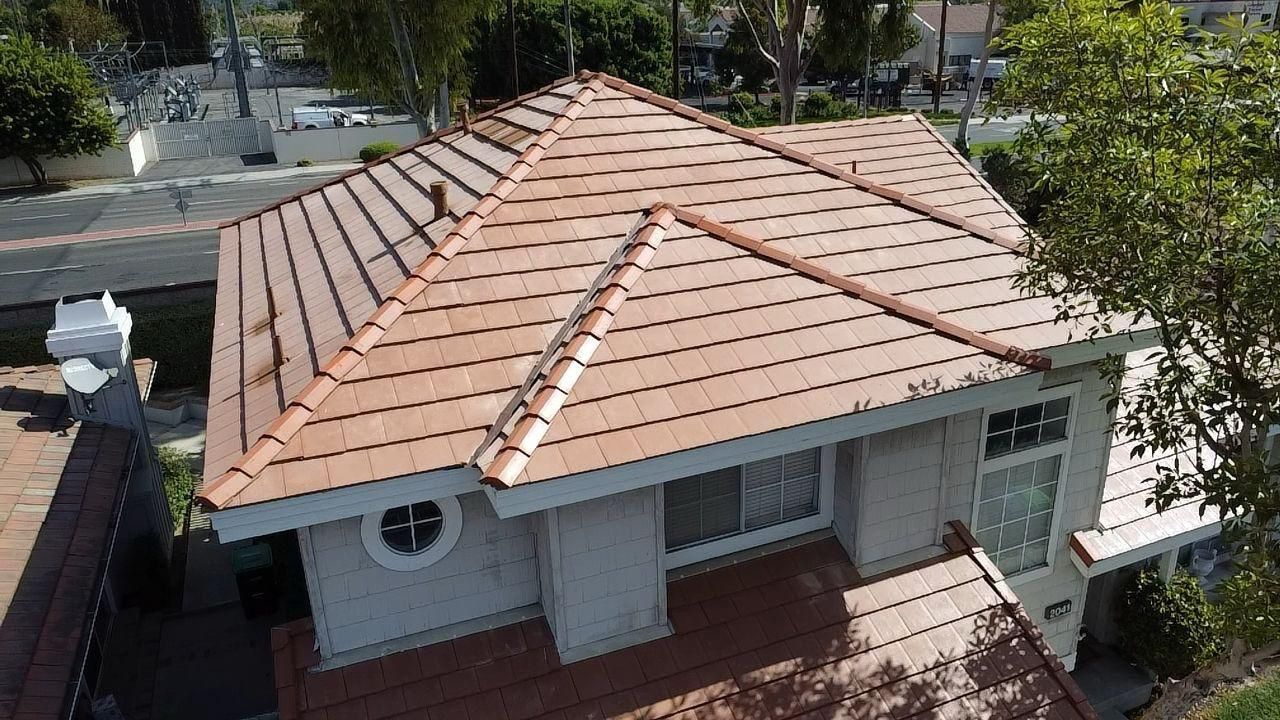
Choosing between tile vs shingle roofing California homeowners commonly face is one of the most important decisions when building or replacing a roof. Both materials are widely used across the state, but they perform differently depending on climate, budget, and long-term expectations. Because California experiences intense sun, seasonal heat waves, and occasional heavy rain, selecting the right roofing system directly impacts comfort, durability, and energy efficiency.
This guide breaks down the differences between tile roofing and asphalt shingles, helping you understand which option works best for your home and why.
Understanding Roofing Options in California Heat
One of the biggest factors influencing roofing choices is climate. Roofing options California heat demands must withstand prolonged sun exposure and high temperatures. Materials that trap heat or degrade quickly under UV rays may lead to higher energy bills and frequent repairs.
Tile roofing is often considered one of the strongest performers in hot climates. It reflects sunlight better and maintains lower surface temperatures. Shingle roofing, while more affordable, absorbs more heat unless specially treated for energy efficiency.
When comparing best roofing materials California homes, climate performance is always a top priority.
Tile Roofing: Durability and Long-Term Value
Tile roofing has been used for centuries and remains a popular choice in many California neighborhoods. One of its biggest advantages is durability. Tile roofing California benefits include resistance to fire, rot, and insect damage, making it one of the most long lasting roofing materials California homeowners can choose.
The tile roof lifespan California can often exceed 50 years when properly maintained, which is significantly longer than many other roofing systems. This long lifespan makes tile an excellent investment for homeowners planning to stay in their property long term.
Tile roofs also offer strong aesthetic appeal, fitting well with Mediterranean, Spanish, and modern architectural styles commonly seen across California.
Shingle Roofing: Affordable and Versatile
Shingle roofing is one of the most widely used materials in residential construction. It remains popular due to its affordability and ease of installation. When evaluating shingle roofing California cost, it is typically lower than tile, making it a more budget-friendly option for many homeowners.
The shingle roof lifespan California generally ranges from 20 to 30 years depending on material quality and maintenance. While shorter than tile, shingles still provide reliable protection when installed correctly.
Shingle roofs also offer flexibility in design, with various colors and textures that can match different architectural styles. This makes them a practical choice in residential roofing California comparison discussions.
Tile vs Shingle Roofing Cost Comparison
Cost is often a deciding factor when comparing tile roof vs shingle roof cost California. Tile roofing has a higher upfront installation cost due to material weight, labor requirements, and structural support needs.
Shingle roofing, on the other hand, is significantly more affordable and quicker to install. This makes it appealing for homeowners looking for immediate cost savings.
However, while shingles cost less initially, tile roofs may offer better long-term value due to their durability and lower replacement frequency. This is why roof replacement materials California decisions often depend on long-term financial planning rather than just upfront pricing.
Pros and Cons of Tile and Shingle Roofing
Understanding roof tile vs shingles pros and cons helps homeowners make informed decisions.
Tile roofing is highly durable, energy efficient, and long-lasting. However, it is heavier and more expensive, requiring stronger structural support.
Shingle roofing is affordable, lightweight, and easy to install. However, it has a shorter lifespan and may require more frequent repairs, especially under harsh sun exposure.
Both systems perform well in different scenarios, but the right choice depends on budget, design preference, and long-term goals.
Energy Efficiency and Climate Performance
Energy efficiency is a major concern for California homeowners. Energy efficient roofing California options help reduce cooling costs, especially during hot summer months.
Tile roofs naturally reflect more sunlight and allow better air circulation, making them highly efficient in warm climates. Shingle roofs can also be energy efficient when using reflective coatings or lighter colors, but they generally absorb more heat compared to tile.
For homeowners prioritizing sustainability and energy savings, tile roofing often provides a stronger long-term advantage.
Roofing Styles and Architectural Fit
Different roofing materials also affect the overall appearance of a home. Roofing styles California homes commonly feature include Mediterranean tile roofs, modern flat designs, and traditional shingle systems.
Tile roofs are often chosen for upscale or historic-style homes because of their elegant appearance. Shingle roofs are more common in suburban neighborhoods due to their versatility and cost-effectiveness.
Choosing the right material should balance both visual appeal and performance.
Residential Roofing Comparison in California
In any residential roofing California comparison, it is important to consider maintenance, cost, durability, and energy performance together.
Tile roofing excels in longevity and heat resistance, making it ideal for long-term homeowners. Shingle roofing provides affordability and flexibility, making it suitable for first-time homeowners or budget-conscious projects.
Both options remain strong performers, but their advantages serve different homeowner needs.
Roof Installation: Tile vs Shingle Process
The roof installation tile vs shingle California process also differs significantly. Tile installation requires reinforced roof structures due to weight and careful placement to ensure proper alignment.
Shingle installation is faster and less complex, allowing roofing crews to complete projects more quickly. This also contributes to lower labor costs and shorter project timelines.
These differences directly impact overall installation pricing and project duration.
Roofing Maintenance and Longevity
Maintenance plays a key role in extending roof life. Tile roofs require occasional inspection and replacement of cracked tiles but generally need less frequent repairs.
Shingle roofs may require more regular maintenance due to weather exposure, aging, and potential curling or cracking over time.
Choosing durable roofing California homes depend on often comes down to how much maintenance a homeowner is willing to manage over time.
Conclusion
Choosing between tile vs shingle roofing California homeowners rely on depends on several factors, including budget, climate, durability, and design preferences. Tile roofing offers superior longevity, energy efficiency, and heat resistance, making it ideal for long-term investment. Shingle roofing provides affordability, versatility, and faster installation, making it a practical choice for many residential properties.
Understanding tile roof vs shingle roof cost California and comparing long-term benefits helps homeowners make confident decisions that match both lifestyle and financial goals.
For expert guidance, professional installation, and reliable roofing solutions tailored to California homes, contact Eclipse Remodeling & Roofing Inc. today.